
💥 BREAKING: Kelly Clarkson Sparks Online Firestorm After Controversial Quote Goes Viral — Fans Divided Nationwide
A wave of controversy has swept across social media after a viral claim alleged that award-winning singer Kelly Clarkson made blunt remarks criticizing mandatory LGBT symbols, calling the issue a “political charade.” The quote, widely shared across multiple platforms, has ignited a fierce national debate—despite the absence of any verified source confirming that Clarkson actually made the statement.
What began as a single circulating post quickly escalated into a full-blown online firestorm, drawing in millions of users, commentators, and fans. Within hours, the alleged quote had spread across Twitter, Facebook, TikTok, and online forums, prompting heated discussions about free expression, representation, and the responsibilities of public figures in a deeply divided cultural landscape.
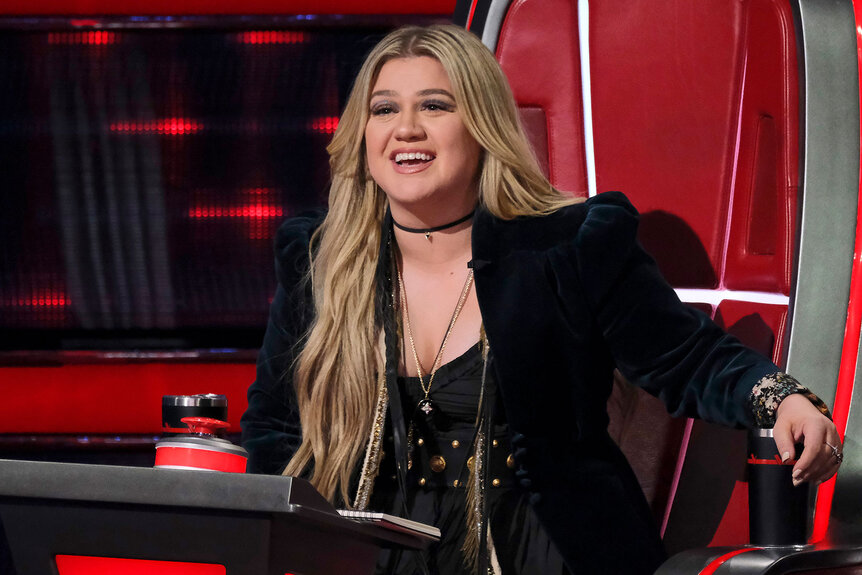
A Viral Claim Without Verification
At the center of the controversy is a simple but critical issue: the quote itself remains unverified. No official interview, press release, or direct statement from Clarkson has been identified to support the claim. Despite this, the narrative has taken on a life of its own.
The alleged statement portrays Clarkson as expressing frustration with what she views as pressure on performers to display political or social symbols during public appearances. According to the viral posts, she emphasized that her role is to perform for her audience—not to represent any particular movement.
However, media analysts and fact-checkers have pointed out that the lack of a credible source raises serious concerns about the authenticity of the quote. In the age of digital virality, unverified claims can spread faster than corrections, making it increasingly difficult for audiences to distinguish fact from fiction.
Fans React: A Nation Divided
The reaction to the alleged quote has been swift and polarized. Supporters of the message—whether or not it is genuinely Clarkson’s—have praised what they interpret as a defense of artistic independence.
“Artists shouldn’t be forced into making statements they don’t believe in,” one social media user wrote. “Music should be about connection, not politics.”
Others echoed similar sentiments, arguing that performers should have the freedom to define their own boundaries without facing backlash. For these individuals, the controversy reflects broader concerns about the expectations placed on celebrities in today’s cultural climate.
On the other side of the debate, critics have strongly pushed back against the narrative. Many argue that symbols associated with LGBT communities are not merely political gestures, but expressions of inclusion and support for marginalized groups.
“These symbols matter,” one critic posted. “They represent visibility, acceptance, and safety for people who have historically been excluded.”
For these voices, the issue is not just about one alleged quote, but about the broader implications of dismissing symbols that hold deep meaning for millions of people.
The Role of Social Media in Amplifying Controversy
The rapid spread of the alleged quote highlights the powerful role of social media in shaping public discourse. Platforms designed for speed and engagement often prioritize sensational content, allowing unverified claims to gain traction before they can be properly evaluated.
Experts note that this dynamic creates a feedback loop: as more people react to a claim, it becomes more visible, which in turn attracts even more attention. In such an environment, the line between truth and perception can quickly blur.
“This is a classic example of how misinformation—or at least unverified information—can dominate the conversation,” said one media analyst. “By the time the facts are clarified, the narrative is already deeply embedded.”

Celebrity Speech in the Modern Era
The controversy also raises important questions about the role of celebrities in social and political discussions. Should entertainers be expected to take public stances on cultural issues? Or should they be free to remain neutral?
For many fans, artists like Kelly Clarkson occupy a unique position. They are not just performers, but influential voices with the ability to shape public opinion. As a result, their words—real or perceived—carry significant weight.
This expectation, however, can create tension. While some audiences demand that celebrities use their platforms for advocacy, others believe that such expectations place an unfair burden on individuals whose primary role is to entertain.
Clarkson’s Public Image
Throughout her career, Kelly Clarkson has cultivated a reputation for authenticity and relatability. From her early days as the first winner of American Idol to her success as a singer, songwriter, and television host, she has consistently emphasized honesty and emotional connection.
She has also spoken openly about personal challenges and social issues, often using her platform to promote messages of self-acceptance and resilience. This history makes the current controversy particularly complex, as fans attempt to reconcile the alleged quote with their understanding of her character.
As of now, Clarkson has not issued any public response to the viral claim. Whether she chooses to address it—or allow it to fade—remains to be seen.
The Danger of Unverified Narratives
Perhaps the most significant takeaway from this situation is the speed at which unverified information can influence public perception. In many cases, the impact of a viral claim is felt long before its accuracy is established.
This phenomenon underscores the importance of critical thinking and responsible sharing in the digital age. Without these safeguards, misinformation can contribute to unnecessary conflict and division.
“It’s not just about whether the quote is real,” one commentator noted. “It’s about how quickly we react, and whether we take the time to verify what we’re seeing.”
A Broader Cultural Conversation
Beyond the specifics of this case, the controversy reflects larger cultural tensions. Issues related to identity, representation, and freedom of expression continue to shape public discourse, often in deeply personal ways.
The debate sparked by the alleged quote touches on all of these themes, revealing the complexity of navigating such topics in a highly connected world.
For some, the discussion is about protecting individual autonomy. For others, it is about ensuring visibility and support for marginalized communities. Both perspectives highlight the challenges of finding common ground in an increasingly polarized environment.
What Happens Next?
As the online conversation continues, attention will likely turn to whether Clarkson or her representatives address the situation directly. A clear statement could help clarify the facts and potentially defuse some of the tension.
In the meantime, the controversy serves as a reminder of the power—and the pitfalls—of digital communication. A single unverified quote has not only sparked a nationwide debate, but also raised important questions about truth, responsibility, and the role of public figures in shaping cultural narratives.

Conclusion
The viral claim involving Kelly Clarkson may or may not be rooted in fact, but its impact is undeniable. It has ignited passionate discussions, divided audiences, and highlighted the challenges of navigating information in the digital age.
As fans and observers continue to debate, one thing remains clear: in today’s interconnected world, perception can spread just as quickly as reality.
And in that space between the two, conversations—both meaningful and contentious—will continue to unfold.